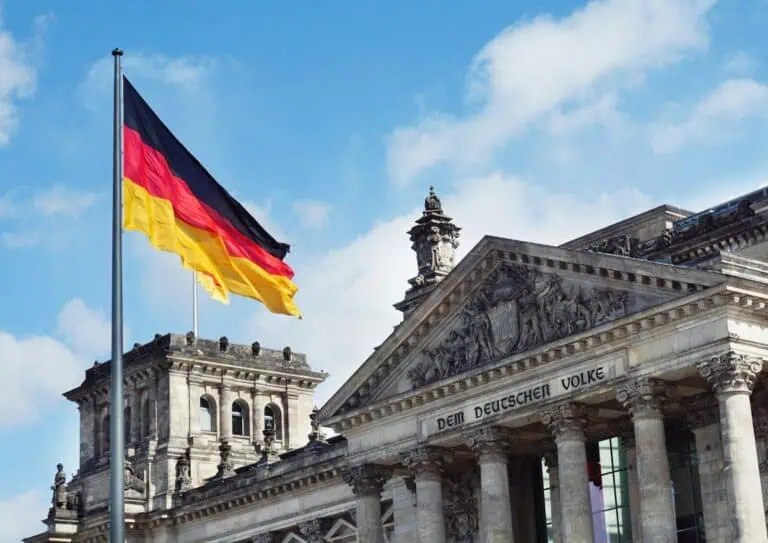
On October 8, 2026, the Bundestag will debate a reform that would introduce minimum contract lengths for doctoral and postdoctoral researchers for the first time. The reform would amend the Wissenschaftszeitvertragsgesetz (WissZeitVG).
Right now, Germany’s special fixed-term rules for science let universities hire researchers on short contracts and renew them again and again. Some of these contracts last less than a year.
For international researchers, a contract under a year makes life hard to plan. It can make renting an apartment or applying for a residence permit much harder.
How Much Is Rent for an Apartment in Germany? ->
The WissZeitVG reform aims to give researchers longer contracts they can actually plan around.
What Does the WissZeitVG Reform Change for Researchers?
The government’s draft of the WissZeitVG reform would make five changes:
- Researchers’ first fixed-term contracts should normally last at least three years before a doctorate and at least two years after it.
- Researchers funded through external research grants (Drittmittel) can have their contracts extended during maternity or parental leave.
- Researchers who care for family get two extra years of allowed fixed-term work before the doctorate and two more after it.
- Student research assistants can work on fixed-term contracts for up to eight years instead of six.
- Doctors and psychotherapists in specialist training follow the same fixed-term rules at universities and research institutes as at other employers.
NOTE: The WissZeitVG reform is still a bill. It needs committee review and further votes before it becomes law.
The Left Party (Die Linke) wants to scrap the special fixed-term rules for science altogether. Lawmakers will debate the Left Party’s motion and the government bill together.
The German government doesn’t want to scrap the special fixed-term rules for science. Instead, it wants “a balanced framework” that improves working conditions for researchers while still giving research institutions room to be flexible.
Is Germany One of the EU’s Top Research Spenders? ->