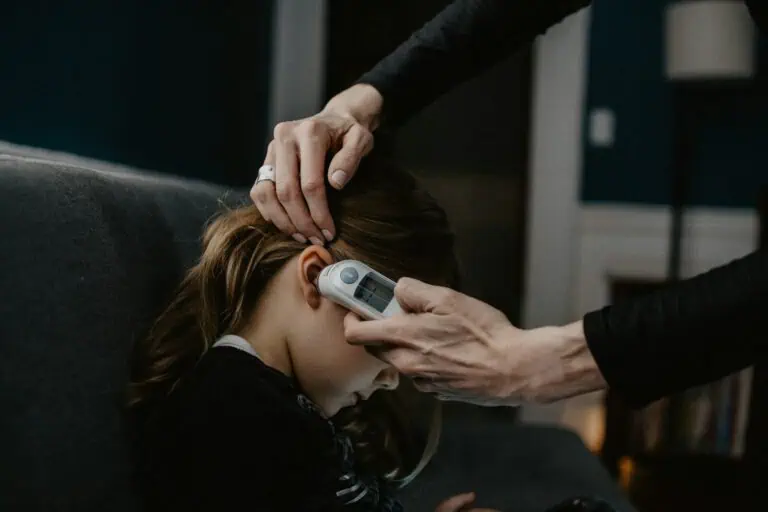
A new law would have every child in Germany screened by age four. The screening covers your child whether or not they go to a daycare center (Kita).
Officially, the new Kita law is called the Startchancen- und Qualitätsentwicklungsgesetz (Start Opportunities and Quality Development Act).
Every 4-Year-Old Gets Screened in Four Areas Under the Kita Law
Once the Kita law is in force, every four-year-old in Germany gets assessed in four areas:
- Language development
- Social-emotional development
- Motor skills
- Early math abilities
Children who need support get individual help after the screening. Kita staff also get an extra 30 minutes per child each week for planning.
How to Prepare Your Child for School in Germany ->
Federal Education Minister Karin Prien called early screening “a possible game changer.” The Kita law would reach an estimated 61,031 childcare facilities and 3.91 million children.
Until the Kita law passes, ask your Kita or your local Jugendamt whether screening already runs in your state.
Kitas Serving Disadvantaged Children Get Extra Staffing Hours
Kitas that care for children in difficult circumstances get extra staffing hours. The Kita law counts financial hardship, a non-German home language, and developmental delays as difficult circumstances.
The bigger the Kita, the more extra staffing hours it gets:
- Small facilities (up to 80 children): at least 20 extra hours weekly
- Medium facilities: at least 40 extra hours weekly
- Larger facilities: at least 60 extra hours weekly
In every state, at least 10% of Kitas must qualify for the extra staffing hours. Qualifying Kitas also get a consultant who visits every week.
Federal Kita Funding Falls Below Today’s €2 Billion a Year
The federal government committed €9.25 billion to the Kita law between 2027 and 2034. Annual funding starts at about €1.49 billion in 2027 and 2028. By 2030, it drops to €993 million a year.
States and welfare groups have raised concerns because the new funding is lower than today’s roughly €2 billion a year. The Kita law cuts funding even as it adds new duties for Kitas.
The federal cabinet approved the draft Kita law on September 2, 2026. The Bundestag debates the Kita law for the first time on October 8, 2026.
NOTE: The Kita law has not passed yet. It now goes to committee before further Bundestag and Bundesrat votes, so funding levels could still change.
- https://www.bundestag.de/dokumente/textarchiv/2026/kw41-de-startchancengesetz-1217528
- https://www.bmbfsfj.bund.de/bmbfsfj/aktuelles/pressemitteilungen/fruehe-foerderung-staerken-kitas-gezielt-unterstuetzen-qualitaet-verbessern-kabinett-verabschiedet-entwurf-fuer-startchancen-und-qualitaetsentwicklungsgesetz-293796
- https://www.bmbfsfj.bund.de/resource/blob/291856/b9644e6243369de2cd3ff3e08c1cb856/referentenentwurf-data.pdf