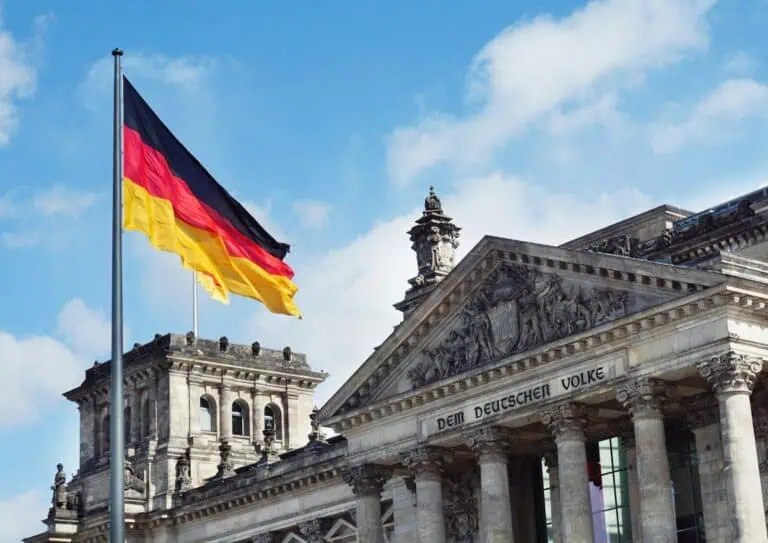
Germany is expected to miss the EU Pay Transparency Directive (Entgelttransparenzrichtlinie) deadline set on June 7, 2026. No draft law has been published.
If Germany misses the deadline, the directive’s new rights will not be enforceable under German Law. The European Commission can also open infringement proceedings that can result in financial penalties.
What is the EU Pay Transparency Directive?
The EU Pay Transparency Directive (EU 2023/970) was agreed by member states in 2023. It requires member states to transpose a set of measures to close the gender pay gap into national law.
Germany already has a pay transparency law from 2017. It is called Entgelttransparenzgesetz (EntgTranspG). It already gives employees at companies with 200 or more workers the right to request salary information. The new directive would extend and strengthen those rights significantly, particularly at smaller companies with 100 or more employees. The obligations most relevant to workers are:
- Salary disclosure in job ads: Employers must state a pay range in job postings. They can also make the pay scale available before the interview.
- Right to pay information: You can ask your employer what colleagues in comparable roles earn on average, broken down by gender.
- Pay gap reporting: Companies with 100 or more employees must publish gender pay gap data at regular intervals.
- Ban on pay secrecy clauses: Contracts cannot prohibit you from discussing your salary with colleagues.
These obligations are not yet in force in Germany because there is no implementing law.
Can the EU Pay Transparency Directive apply without a German law?
Under EU law, individuals can sometimes rely directly on a directive’s provisions against the state if those provisions are sufficiently clear and unconditional. This is called direct effect (unmittelbare Wirkung). For private-sector employees, the direct effect is more limited. You cannot generally enforce the directive directly against your private employer. You need a national law for that.
Your employer cannot use the absence of a German law as a reason to ignore pay equity obligations that already exist in EU law or in Germany’s existing pay transparency legislation.
Job ads in Germany are not yet legally required to include salary ranges. Many companies list ranges voluntarily. When Germany passes implementing legislation, salary disclosure will likely become mandatory for employers above a certain size threshold.
You can ask the recruiter for the salary range before the interview. Many companies will tell you. If they do not, that is still legal under current German law.
You already have options under current German law:
- If you work at a company with 200 or more employees, you have the right under the Entgelttransparenzgesetz to request the average salary of comparable colleagues. You do not need to wait for the new law.
- If your employer has a pay secrecy clause in your contract, check with an employment lawyer whether it holds up. Pay confidentiality clauses are already under pressure from existing EU law.